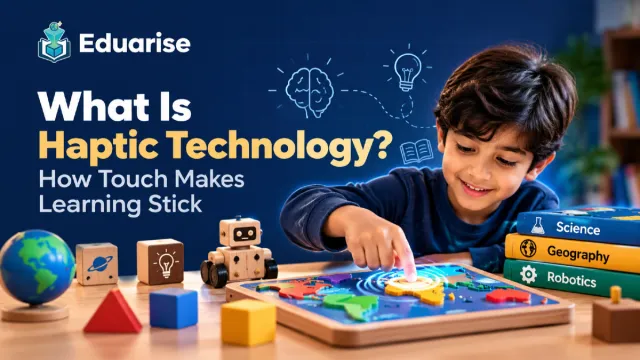
What Is Haptic Technology? How Touch Helps Children Learn
Haptics is the technology of touch: the buzz, tap or push-back a device gives your hands. How it works, where you already use it, and why touch helps children learn.
Jul 16, 2026 4 min

STEM Gamification Designer & Tech Reviewer, Eduarise
8 articles on the Eduarise blog
Liam Carter is a creative STEM educator, gamification researcher, and technology reviewer. With a background in game design and developmental psychology, Liam specializes in creating immersive and engaging learning experiences for elementary school children. He is a firm believer that play is the ultimate form of learning, and he loves researching how augmented reality (AR) boosts spatial awareness and cognitive development in young minds. When he's not designing gamified STEM guides or writing for the Eduarise blog, Liam enjoys building DIY electronics, coding educational mini-games, and exploring state parks.
Haptics is the technology of touch: the buzz, tap or push-back a device gives your hands. How it works, where you already use it, and why touch helps children learn.
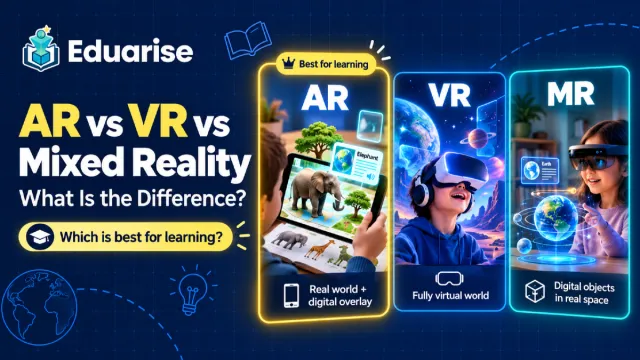
Augmented, virtual and mixed reality are not the same thing. The difference in plain language, the hardware each needs, and why AR usually suits young children best.
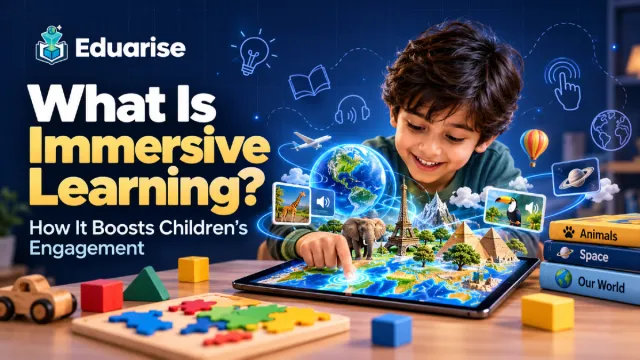
Immersive learning puts a child inside an experience instead of in front of a page. What it means, why attention decides whether a lesson lands, and how to try it at home.
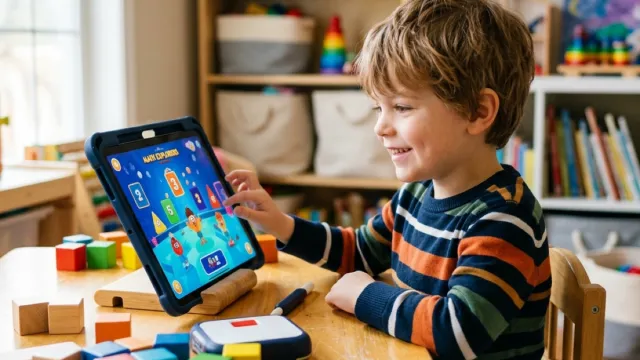
PlayShifu's Orboot and Plugo are good, but they are not the only way to mix hands-on play with a screen. Five alternatives, what each teaches, the ages they suit and where costs hide.

We make the Eduarise AR World Map, so this is not an independent review. It is a plain account of each edition, what the app does, its limits, and who it suits.
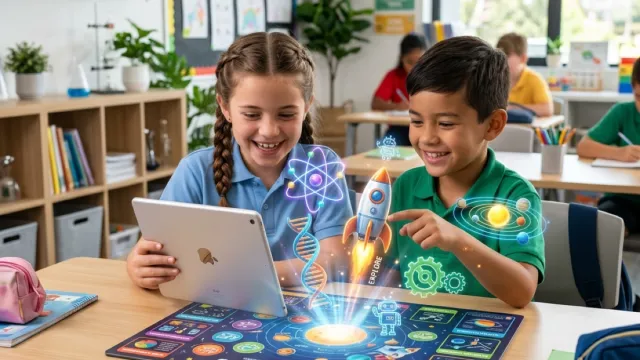
AR toys put 3D models on top of real objects, so kids can turn a heart, a planet or a country in their hands. The best augmented reality educational toys for elementary students.
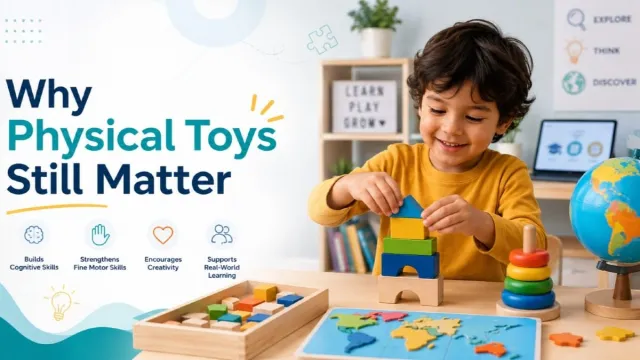
Blocks, puzzles and maps build skills a touchscreen can't: grip, spatial thinking and patient attention. What hands-on play does for child development, and where apps fit in.
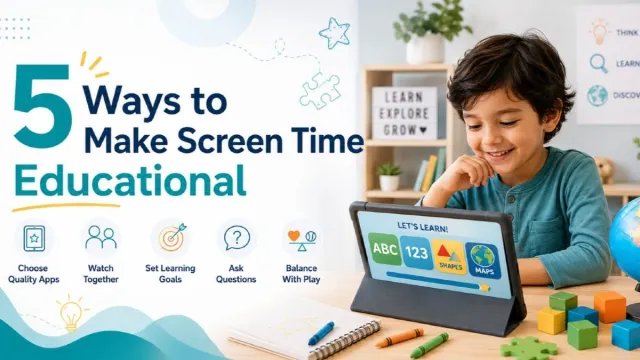
What a child does on a screen matters more than the minutes. Five habits that turn scrolling into educational screen time, with examples you can try tonight.